

Come giudicano i sistemi dell’istruzione e il sostegno all’imprenditoria i giovani africani che stanno seguendo percorsi formativi di eccellenza? E come vedono il loro futuro? Atlantide ne ha parlato con tre di loro, che frequentano l’African Leadership University, fondata nel 2013 dal pedagogista ghanese Fred Swaniker. L’ALU sta aprendo una strada innovativa alla formazione universitaria del XXI secolo. Offre corsi universitari e post-laurea in un modo unico e fantasioso. Integrando l’apprendimento degli studenti nel mondo reale, rendendoli in grado di acquisire la padronanza di quanto apprendono, dando a ognuno di loro gli strumenti per pensare in modo imprenditoriale e impiegando i metodi di insegnamento più stimolanti e coinvolgenti, la ALU è stata soprannominata “l’università del futuro”. Sviluppa nei suoi laureati competenze che rimangano fondamentali anche di fronte al mondo che cambia. Eleva intellettualmente i suoi studenti, fornisce loro l’esperienza lavorativa e contribuisce al miglioramento di tutta la persona. Attualmente la ALU vanta due campus: nelle Mauritius e a Kigali (Ruanda). Il progetto prevede l’apertura di venticinque campus in tutto il continente che, in prospettiva, formeranno tre milioni di leader etici imprenditoriali per l’Africa e per il mondo. Il tutto entro il 2060. Benché abbia sede in Africa, la ALU accoglie nei suoi campus studenti da tutto il mondo.
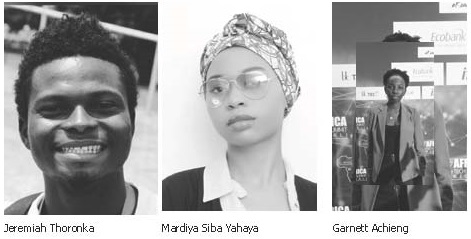
Garnett Achieng. Ventun anni, originaria di Bondo (Kenya), negli ultimi due anni ha viaggiato per il mondo per raggiungere il suo sogno. Ha vissuto in Turchia per un anno, ha studiato turco alla Gazi University, si è innamorata delle vie acciottolate di Antalya e ha sviluppato un’insana ossessione per la baklava (dessert turco). Attualmente vive nella collinare città di Kigali (Ruanda), dove studia Sfide Globali all’African Leadership University.
Jeremiah Thoronka. Diciassette anni, nato in Sierra Leone, attualmente studia scienze informatiche all’African Leadership University. È scrittore, blogger, inventore e ha raggiunto quattro finali nazionali dell’Innovate Salone Award. Nel tempo libero ama insegnare ingegneria ai ragazzi.
Mardiya Siba Yahaya. Diciannove anni, nata in Ghana. È studentessa all’African Leadership University. È un’appassionata scrittrice con un forte interesse per poesia, arte e politica. Ritiene che l’uguaglianza sia un diritto umano fondamentale e che le donne non debbano esserne private a causa delle consuetudini sociali. È una panafricanista convinta, con il desiderio di avere un’influenza positiva sul suo continente tramite la sanità e la tecnologia. Ha frequentato uno stage di giornalismo per la rivista digitale Ananke Mag.
Se ripensate alla vostra istruzione (primaria, secondaria e, ora, universitaria) che giudizio ne date? Quali sono, secondo voi, le sfide principali in questo settore cruciale in Africa? In che modo si può migliorarlo?
Garnett. Per gran parte della mia vita ho avuto il privilegio di frequentare alcune delle migliori scuole del Kenya. Per l’istruzione primaria, ho frequentato scuole private, dove ci sono libri di testo in abbondanza e gli insegnanti sono più che ragionevoli nel rapporto con gli studenti. Per l’istruzione superiore ho frequentato un liceo statale. I licei statali sono gestiti dal governo e ritenuti assai prestigiosi. Ammettono principalmente studenti con punteggi alti negli esami del Kenya Certificate of Primary Education. Le scuole statali sono tendenzialmente più attrezzate e con ottimo personale. La mia scuola, per esempio, ha addirittura una piscina e una palestra, mentre altre scuole gestite dal governo non hanno abbastanza libri di testo e laboratori informatici.
Ritengo che il problema principale dell’istruzione in Africa sia la difficoltà di mettere in pratica ciò che si impara in classe. Quello che viene insegnato non è rilevante nella vita reale, dal momento che elementi come le competenze professionali e relazionali a scuola non vengono insegnate. Non c’è molto spazio nemmeno per domande o esperimenti. È un sistema troppo rigido. Nel mio liceo, per esempio, era proibito accedere ai laboratori informatici, quando non c’erano lezioni di informatica. Quindi, raramente avevamo occasione di fare ricerche online. Nel nostro sistema educativo c’è bisogno di maggior spazio per le domande. Altrimenti, i nostri sistemi sfornano solo dei robot. Devono far parte dei nostri curricula anche le competenze professionali e relazionali per poter migliorare il tasso di occupazione.
Jeremiah. Quando ripenso al tipo di istruzione ricevuto alla scuola primaria c’è assai poco, se non niente, di buono da riferire. Insegnanti e insegnamenti erano inadeguati, gli spazi poveri e, cosa peggiore di tutte, gli insegnanti chiedevano ogni giorno denaro a noi studenti. C’erano cose come la lista dei disturbatori: gli studenti che vi comparivano dovevano sborsare 500 leoni. Ogni giorno dovevamo comprare, che ci piacesse o no, quello che gli insegnanti vendevano in classe. Ma il massimo livello di corruzione l’ho visto alla scuola secondaria. Gli insegnanti chiedevano denaro agli studenti in cambio di voti alti agli esami e questo diventava una normale routine e una cultura consolidata. Penso che il problema sia un circolo vizioso sull’integrità morale: molti professori insegnano per il fatto che prendono denaro dagli studenti. Penso che se questi insegnanti percepissero un buon stipendio, comincerebbero a prendere il loro lavoro più seriamente.
Mardiya. Le basi della mia istruzione primaria erano molto solide perché i miei genitori potevano garantirmela. La sfida iniziale è questa: potersi permettere la scuola primaria. Per quanto i governi africani stiano tentando di aumentare le possibilità di accesso all’istruzione, con buoni risultati, il problema rimane la qualità. Chi non può permettersi la scuola privata tende ad avere basi di apprendimento più deboli. Questo diventa un elemento ancora più significativo quando tutti devono frequentare la scuola secondaria statale. Il curriculum è superato e il modello di insegnamento e di apprendimento, anziché produrre studenti più intelligenti, produce una comunità di ragazzi stanchi e impauriti.
Credo che il primo passo in direzione di un vero rinnovamento sia ripensare l’intero sistema di apprendimento. Anziché sulla quantità, il governo dovrebbe investire sulla qualità dell’istruzione. Per avere una popolazione lavorativa competente, dobbiamo rivedere i nostri sistemi per poterci adattare al rapido progresso del mondo.
Cosa pensate della capacità imprenditoriale africana vista come soluzione chiave alla sfida della disoccupazione? Quali sono gli ostacoli alla creazione di opportunità significative per i giovani africani?
Garnett. Anche se la capacità imprenditoriale fornirà maggiori opportunità lavorative ai giovani del continente, non tutti sono tagliati per fare l’imprenditore. Ci sono alcuni che preferiscono lavorare per aziende e imprese di altri, e anche questo va incoraggiato. Comunque occorre un maggior sostegno a quei giovani che vogliono avventurarsi nel mondo dell’imprenditoria. Le competenze imprenditoriali devono essere incorporate nei nostri curricula per far crescere una nuova generazione che abbia fiducia in se stessa in termini di creazione di lavoro.
Jeremiah. Lo sviluppo dell’imprenditoria africana è la sola via per la crescita del continente. Ma la domanda da un milione di dollari è dove quegli appassionati africani che si augurano di guidare questo cambiamento troveranno le risorse per guidarlo. Se potranno disporre di tali risorse, il cambiamento sarà realtà. Altrimenti rimarrà soltanto un sogno.
Mardiya. La disoccupazione del continente è il risultato del nostro sistema educativo obsoleto, del numero insufficiente di strade che portano all’occupazione e del nepotismo. La capacità imprenditoriale è vista come la soluzione a tutti i problemi, ma ci dimentichiamo che non tutti sono imprenditori e che il capitale di rischio sulle startup africane è ancora basso. Nonostante al momento l’Africa abbia bisogno di più risolutori di problemi sotto forma di imprenditori, c’è un innegabile bisogno di empowerment sotto forma di stabilità finanziaria e sicurezza sul lavoro.
La migrazione sta diventando, in Europa, l’argomento più scottante. La gente è spaventata e il dibattito è ancora fermo sul “come evitare che vengano qua”. Qual è, a questo riguardo e in qualità di giovani africani, il vostro punto di vista?
Garnett. In primo luogo, trovo assai paradossale che gli europei siano spaventati da una “invasione”, dal momento che un secolo fa furono proprio loro a invadere e a colonizzare l’Africa. Questi stessi Paesi “spaventati” privano i nostri terreni delle loro risorse e intanto voltano le spalle ai migranti.
In secondo luogo, i migranti non sono oggetti. Sono persone con storie, speranze e sogni. Scappano da guerre, persecuzioni e amministrazioni corrotte. Per la maggior parte, sono persone che hanno perso del tutto la speranza verso la madrepatria. Immaginate cosa vuol dire questo, arrivando a credere che un Paese straniero sia comunque meglio del proprio.
Da ultimo, non penso sia un problema facilmente risolvibile. Anni e anni di condizionamenti hanno inculcato negli africani l’idea secondo cui valga la pena inseguire i sogni europei e americani. È questo ciò che spinge la gente a intraprendere viaggi pericolosi. Ritengo che la soluzione alla crisi migratoria debba partire da un cambio di mentalità. Abbiamo bisogno di credere di poter realizzare i nostri sogni nel nostro continente. Ritengo altresì che anche un’amministrazione migliore contribuisca alla risoluzione del problema della crisi migratoria. Abbiamo bisogno di governi che si prendano cura della popolazione e forniscano servizi migliori. Purtroppo, di governi così al momento non ne vedo. Forse la nostra generazione sarà quella dei leader che vogliamo diventare.
Jeremiah. I fratelli africani non fuggono dal continente semplicemente per andarsene, per poi trovare la morte in Libia o in mare. Cercano di raggiungere l’Europa perché sperano di trovarvi migliori opportunità. Se vogliamo porre fine a questa tragedia, i leader africani devono lavorare per lo sviluppo nelle loro regioni, assicurando maggiori opportunità ai giovani.
Mardiya. Penso che siamo d’accordo sul fatto che il problema dell’occupazione e dell’instabilità economica non sia una questione esclusivamente africana; molti Paesi del mondo stanno affrontando situazioni del genere. Al tempo stesso, gli europei credono che i migranti vadano da loro in cerca di lavoro: il che è senz’altro vero. Nessuno emigra per poi starsene con le mani in mano. Dovendo rispondere alla domanda “perché vogliono venire qua?”, dirò che agli africani è stato fatto credere che l’Occidente sia la terra promessa e che l’erba là sia più verde: il che, invece, non è vero. La risposta a questa immagine che si è creata sull’Europa, a questo ritrarla come il paradiso terrestre, il posto migliore in cui vivere, è che adesso gli europei devono fare i conti con i flussi migratori.
Dove vi vedete tra vent’anni? Qual è l’obiettivo che vi siete prefissati?
Garnett. Mi vedo come un autore affermato e un imprenditore che ha dedicato tutto se stesso all’emancipazione lavorativa delle donne. Avrò al mio attivo anche un film premiato.
Jeremiah. Penso che avrò ottenuto un sacco di cose di cui essere contento. Dopo la laurea, mi tufferò nell’imprenditoria avviando un’attività per portare la luce nel continente africano. In seguito, valuterò l’idea di entrare nella politica del mio Paese per liberare la Sierra Leone dal caos in cui l’hanno gettata i nostri cosiddetti leader.
Mardiya. Il mio futuro verrà delineato giorno dopo giorno, è un percorso assai imprevedibile, ma mi immagino all’interno di qualche progetto infrastrutturale e paladino dell’uguaglianza. Un mio hobby sarà la scrittura: avrò al mio attivo numerosi articoli su argomenti di politica, genere, tecnologia e società del mondo.
ENGLISH TEXT
Garnett Achieng: 21 years old. From Bondo (Kenya) but has been globe trotting for the past two years in pursuit of her purpose. She lived in Turkey for a year, studied Turkish at Gazi University, felt in love with the cobbled streets of Antalya and developed an unhealthy obsession for baklava. She now lives in the quiet hilly city of Kigali (Rwanda) where she is a Global Challenges major at the African Leadership University.
Jeremiah Thoronka: 17 years old. A Sierra Leonean, currently studying Computer Science at the African Leadership University. He is an author, blogger and an inventor who made 4 national finals of InnovateSalone Award. During his free time he loves teaching engineering to kids.
Mardiya Siba Yahaya: 19 years old. A Ghanaian student at the African Leadership University, Mardiya is a passionate writer with interest in Poetry, Arts, and politics. She believes equality is a fundamental human right and women should not be deprived of it due to social norms. A strong Panafricanist, with the desire of influencing her continent positively through health and technology, she has been a journalism intern for the digital magazine Ananke Mag.
If you think at your education (primary, secondary and now university), how do you assess it? What are, in your opinion, the main challenges in this crucial sector in Africa? How to improve it?
Garnett: For most part of my life, I was privileged to attend some of the best schools in my country. For my primary education, I attended private schools. At private schools, there are enough textbooks and the teacher to student ratios are quite reasonable. For my high school education, I attended a national high school. National high schools in Kenya are government schools that are deemed prestigious. They mostly admit students who score highly on their Kenya Certificate of Primary Education exams. National schools tend to be more equipped and well-staffed. For instance, my school even had a swimming pool and a gym while other government schools do not even have enough textbooks and computer labs.
I think the main problem in the African education sector is the lack of practicality. There is not much room for practicing what we learn in classes. Content taught is not relevant to real life, as things like professional skills and soft skills are not taught in school. There is also not much room for questioning and experimenting. It is too rigid. I, for instance, the computer labs in my high school were off bounds when we did not have computer classes. This means that we rarely got the chance to research online.
There needs to be more room for questioning in our education system. Otherwise our systems are just churning out robots. Professional and soft skills also need to be part of our curricula in order to improve employability rates.
Jeremiah: When I think of the type of education I had in Primary school there is little or nothing good to write about it. We had inadequate teachers and teaching materials, poor environments and the worse of it the teachers were demanding money from us the pupils on daily basics. They had things like noise causers list if your name appeared on it you have to pay 500 Leones. Every day we have to buy what the teacher is selling in class whether you like it or not. In the secondary school that was where I saw the highest level of corruption. Teachers encourage students to pay to pass exams, and it was like a normal routine and it was like a culture that was accepted. I think the problem is the circle around integrity, many people teach because of the way they will be exploiting money from the student. I guess if those teachers are given good pay then they will start taking their work more seriously.
Mardiya: My primary education’s foundation was quite a strong one because my parents could afford it. This is the beginning first challenge - affordability of primary school. As much as African governments are trying to increase the accessibility of education, which they have done good at, the quality is still a problem. People who are unable to afford private schools, tend to have a weaker learning foundation. However, it becomes a more significant issue when we equally have to attend national secondary schools. The curriculum is outdated, and the teaching and learning model instead of making students smarter is creating a community of tired and scared kids.
I believe the first step towards development is redesigning the whole learning model. Instead of quantity, the government should invest in quality education. To have a competent working population, we need redesign our systems to accommodate the fast-paced advancing world.
What do you think about African entrepreneurship as the key solution to the challenge of unemployment? What are the hurdles to create meaningful opportunities for African youths?
Garnett: In as much as entrepreneurship will provide more job opportunities for youth on the continent, not everyone is cut out to be an entrepreneur. There are people who are happy working for other people’s companies and ventures, and that too should be encouraged.
Even so, more support needs to be provided to young people who want to venture into entrepreneurship. Entrepreneurial skills should be embedded in our curricula to bring up a new generation who will rely on themselves in terms of job creation.
Jeremiah: Yes, somehow African entrepreneurship is the only way forward for the African Continent to grow. But the one-million-dollar question is where will those passionate African who wish to lead this change get the resources from to drive this change. If the resources are available to them then these changes will be a reality. Otherwise it’s just dreaming.
Mardiya: Unemployment on the continent is a result of our outdated educational system, insufficient employment avenues, and nepotism. Entrepreneurship is used to shield the dilemma, but we forget that not everyone is an entrepreneur and there is still low risk capital on African start-ups. Despite the fact that Africa currently needs more problem solvers in the form of entrepreneurs; there is an undeniable need for empowerment through financial stability and job security.
Migration is getting the hottest topic in Europe. People are scared and the debate is paralyzed around “how to avoid they come here”. What is your point of view as a young African on this matter?
Garnett:Firstly, I find it quite ironic that Europeans are ‘scared of an invasion’ yet just a century ago they invaded and colonized Africa. The same ‘scared’ countries are still stripping our soils of its resources while at the same time turning their backs on migrants.
Secondly, migrants are not things. They are people with stories, hopes and dreams. They are people who are running away from war, persecution and corrupt governance. For the most part, they are people who have lost complete faith in their homes. Imagine losing all hope in your own home to the point of believing that a foreign land is better than your own home.
Lastly, I do not think this is a problem that can be solved easily. Years and years of conditioning has made Africans internalize that the European and American dreams are worth chasing. This is what pushes people to make dangerous journeys. I think that the solution to the migrant crisis starts with a mental shift. We need to believe that we can achieve our own African dreams on the continent. I also believe that better governance on the continent is pertinent to solving the migrant crisis. We need governments that care for the population and are out to provide better services for Africans. Sadly, I see no such governments now. Maybe our generation will be the leaders we have been craving for.
Jeremiah: These African brothers are not running from this continent because they just want to go and die in Libya or in the sea. They try to reach Europe because they hope they will have better opportunities out there. If we want to put this tragedy to an end, African leaders should start developing their regions ensuring a higher dividend to the youths.
Mardiya: The first question we should be asking is, “why do they want to come here?” We will agree that the employment and financial instability dilemma is not only an African problem; many countries in the world are facing a similar issue. As well, Europeans believe that migrants are here to take their jobs; which is true. No one is migrating to be idle. Now let me answer the question, “why do they want to come here?” Africans have been made to believe that the west is the ‘promise land’ and the grass is greener on that side; which is untrue. As a result of the mindset fed to rest of the world about Europe; portraying your countries as the blueprint; a better place to be; ‘the answer’; then you should be ready for the influx!
How do you see yourself in twenty years time? What is the mission you would like to achieve in life?
Garnett: I see myself as an established author and entrepreneur. I will have dedicated myself to work that empowers women. I will also have an award-winning film under my belt!
Jeremiah: I think I will have gotten lot of things to be happy about. After graduating I will want to venture into entrepreneurship starting a business to bring light to the African continent. Later on I will consider entering national politics to liberate the Sierra Leonean people out of the mess our so called leaders have been putting them in.
Mardiya: My future is being defined on a daily basis, it’s a very unpredictable path, but I envision myself working on infrastructural projects and advocating for equality. Writing is a hobby; I would have written numerous articles on political, gender, technological and social issues of the world.
African Leadership University
ALU was founded in 2013 by Ghanaian educationalist Fred Swaniker. ALU is pioneering a fresh approach to university education in the 21st century; offering accredited undergraduate and postgraduate degrees in a unique and imaginative way. By integrating students’ learning with the real world, empowering students to take ownership of their own learning, equipping each student to think entrepreneurially, and employing the most engaging and inspiring teaching methods, ALU has been dubbed ‘the university of the future’.
ALU develops skills in its graduates to ensure they will remain relevant even as the world changes. It also develops its students intellectually, provides them with work experience, and develops their “whole” being.
ALU has currently 2 campuses: in Mauritius and in Kigali (Rwanda). The plan is to open 25 campuses around the continent that will ultimately train 3 million entrepreneurial, ethical leaders for Africa and the world by 2060. Although based in Africa, ALU welcomes students from all around the world to its campuses.
